Research Evidence
Why Mindset GPS?
Over the years, research by the Motivate Lab team–as well as many other researchers–has consistently demonstrated the benefits of a systems-focused approach to supporting healthier psychological air. Across various learning contexts, we have reliably demonstrated the “5 Ms” of learning mindsets: Meaningful, Measureable, Malleable, More effective, and Multilevel. This includes demonstrating how leveraging learning mindsets can promote holistic student success as defined by both improved student academic and well-being outcomes.
Meaningful and Measurable
Our research demonstrates that Mindset GPS is indeed meaningful (i.e., related to academic success and students’ well-being) and measurable (i.e., we used 2-3 survey items to measure each letter of GPS). For example, we have found Mindset GPS to be significant predictors of GPA and course pass rates with a sample of over 9,000 community college and four-year college undergraduates.1 As presented in the graphs below, Growth Mindset (blue line) and Purpose & Relevance (green line) are positively related to GPA (Figure 1a) and course pass rates (Figure 1b). Sense of Belonging (as measured by belonging uncertainty, red line) is negatively related to grades and pass rates. This means that as students become more uncertain about whether they belong they do less well academically. Finally, a measure of the learning context, students’ perceptions of whether their faculty have a growth mindset for them (purple line), is also positively related to both grades and pass rates.
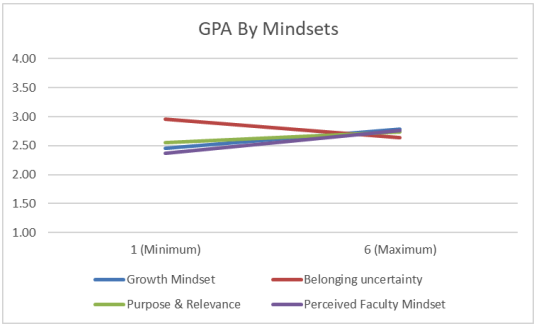
Figure 1a: Overall Fall 2018 GPA by student mindsets (Tibbetts et al., 2022)
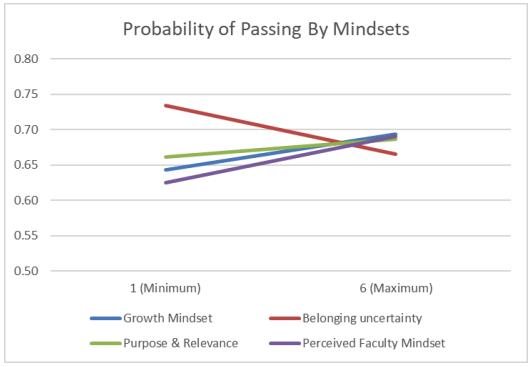
Figure 1b: Fall 2018 lead course pass rates by student mindsets (Tibbetts et al., 2022)
Similarly, in medical schools where student burnout is prevalent, we have found Mindset GPS to be related to multiple indicators of well-being and ill-being across a nationally representative sample of over 6,500 medical students.2 As shown in Figure 2, feeling uncertain about belonging is positively related to ill-being (as measured by burnout and psychological symptoms) and well-being (as measured by flourishing and resilience). In contrast, purpose and relevance, and growth mindset, are both positively related to well-being and negatively related to ill-being. Combined, this means that Mindset GPS serves as a buffer against feelings of burnout and psychological symptoms of depression and anxiety, and helps to amplify feelings of flourishing and resilience.
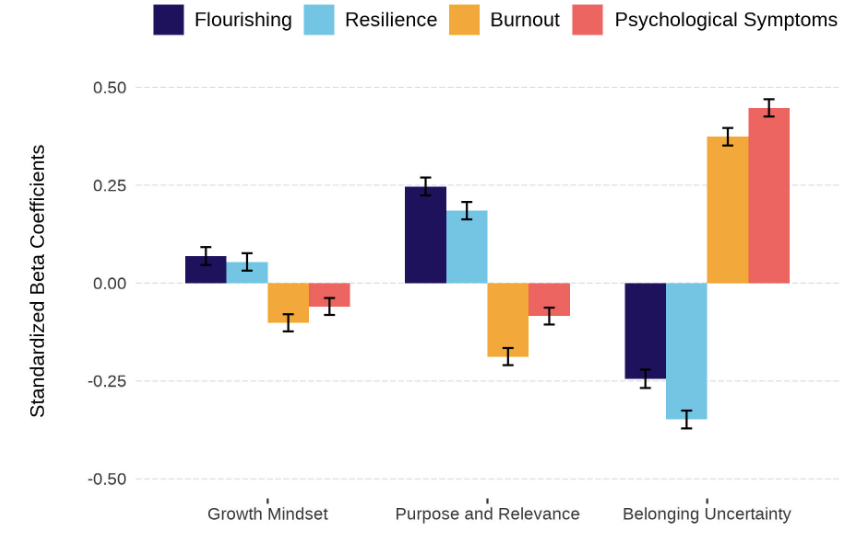
Figure 2: Standardized Regression Coefficients for the Associations of Learning Mindsets With Outcomes (Tibbetts et al, 2024)
Malleable
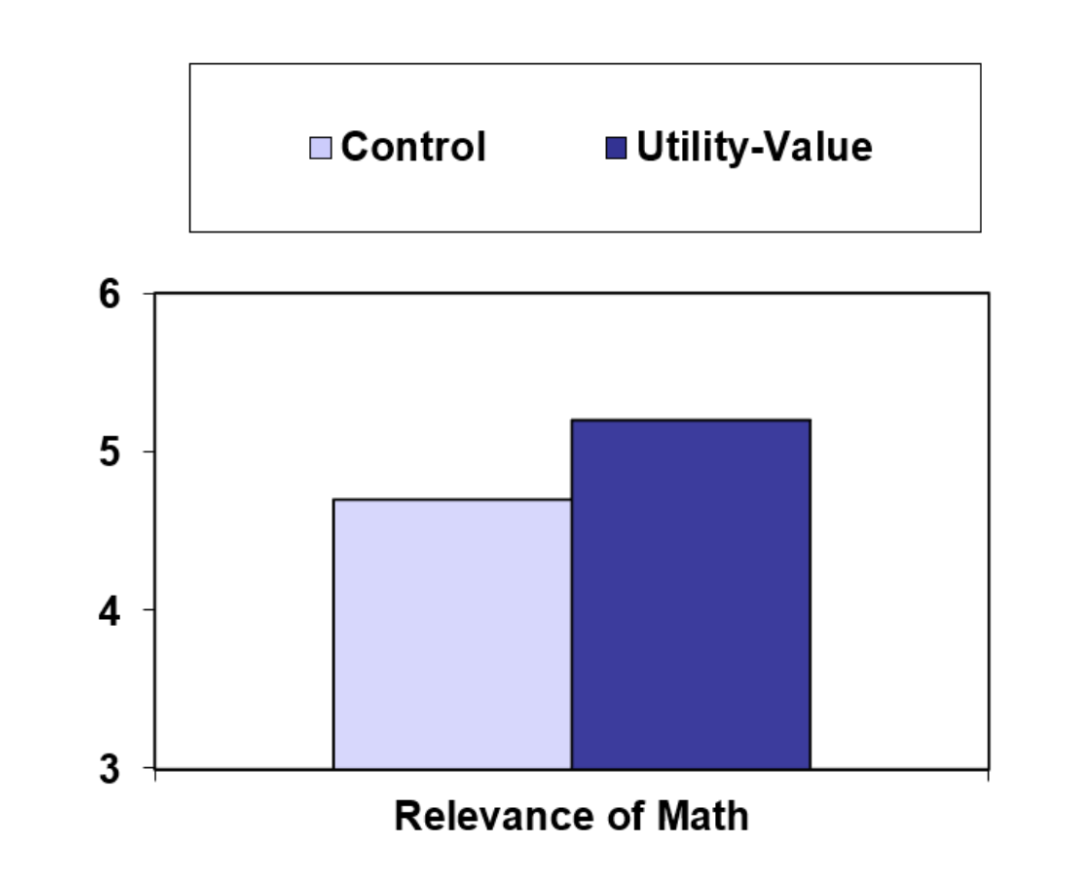
Figure 3: Utility-value intervention boosted students’ perceived relevance of math (Hulleman et al., 2010, Study 1)
Research has consistently demonstrated that students’ learning mindsets can be enhanced or thwarted by the learning context. In other words, learning mindsets are malleable and can be shaped by the environments we are in. In terms of malleability, the kinds of GPS-supportive interventions we have designed and evaluated have consistently shown that they can support students’ learning mindsets, and thereby improve student success. For example, in one of the first experimental studies of a classroom-based practice designed to support purpose and relevance, we found that the utility-value intervention boosted students’ perceived relevance of math.3
In a study of a similar utility-value intervention in community college mathematics, we found that writing about how math was relevant to their lives boosted students’ perceived relevance of math from the beginning to the end of the semester, as compared to the decline in relevance that occurred for students randomly assigned to the control condition.4
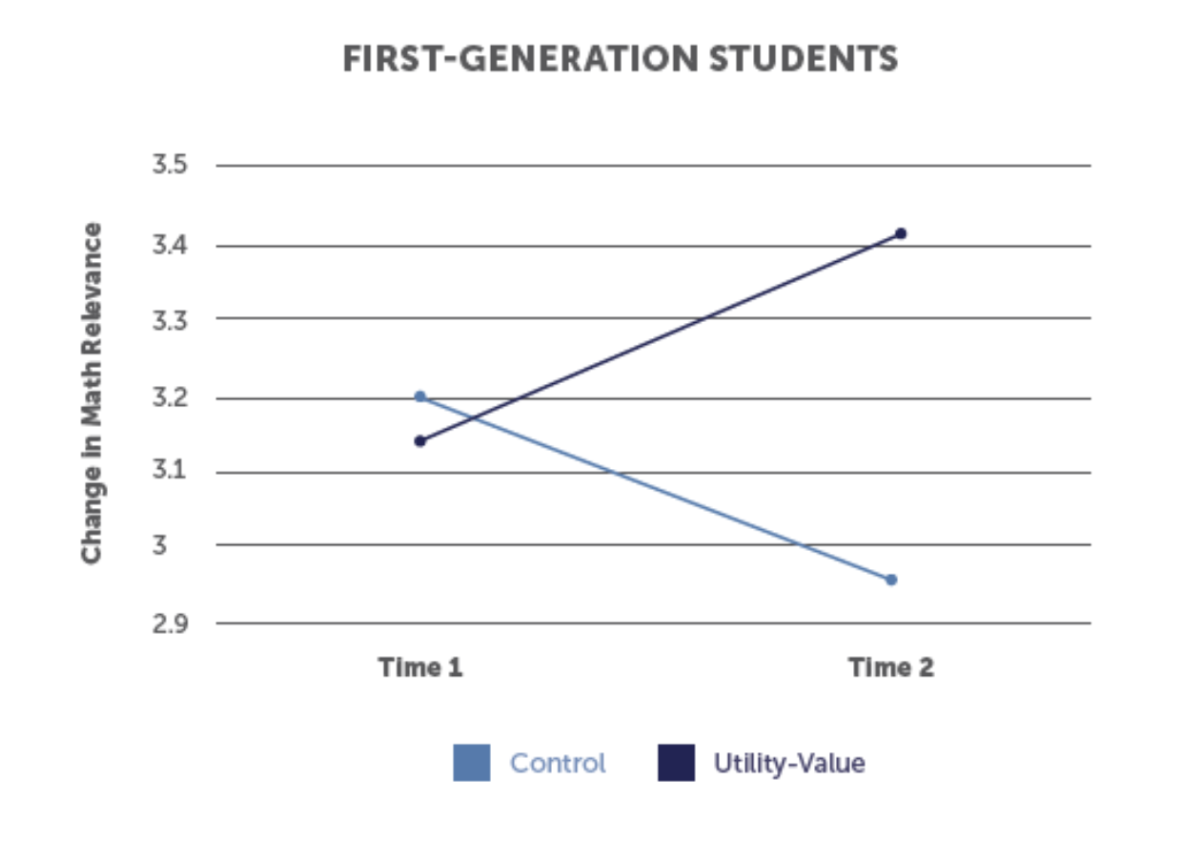
Figure 4: Change in students’ perceived math relevance from the beginning of the semester to the end of the semester – Tennessee (Hulleman et al., 2022)
Similarly, in our study of community college introductory mathematics, we found that a growth mindset intervention boosted students’ self-reported growth mindsets for learning math as well as their course grades and pass rates.5 More broadly, several comprehensive reviews of interventions designed to support student motivation6,7 reveal that GPS-supportive interventions consistently and meaningfully improved learning mindsets, motivation, and performance.
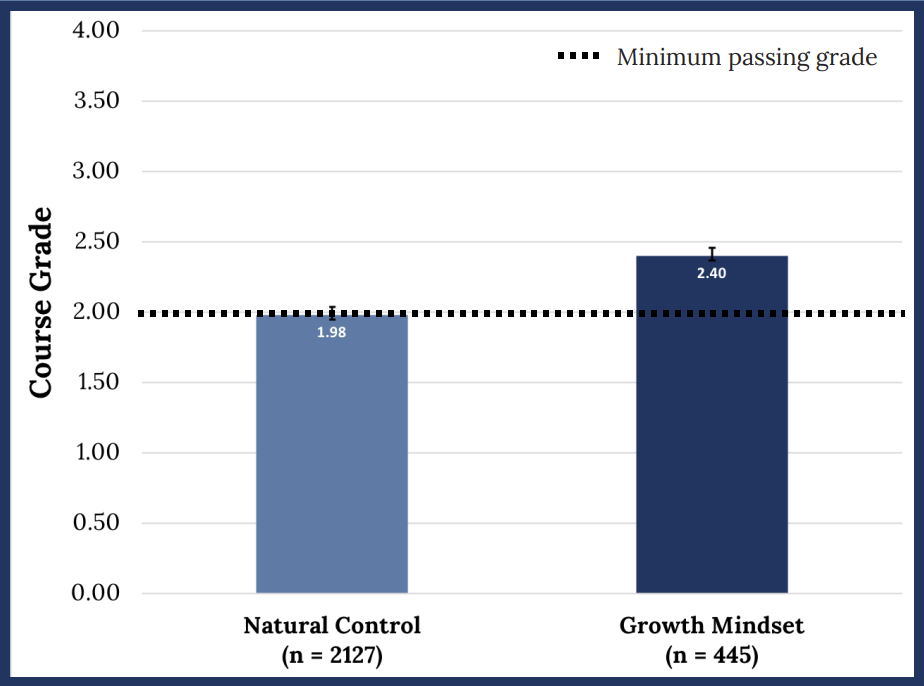
Figure 5: Growth Mindset intervention closes opportunity gap for first generation students (Wormington et al., 2019)
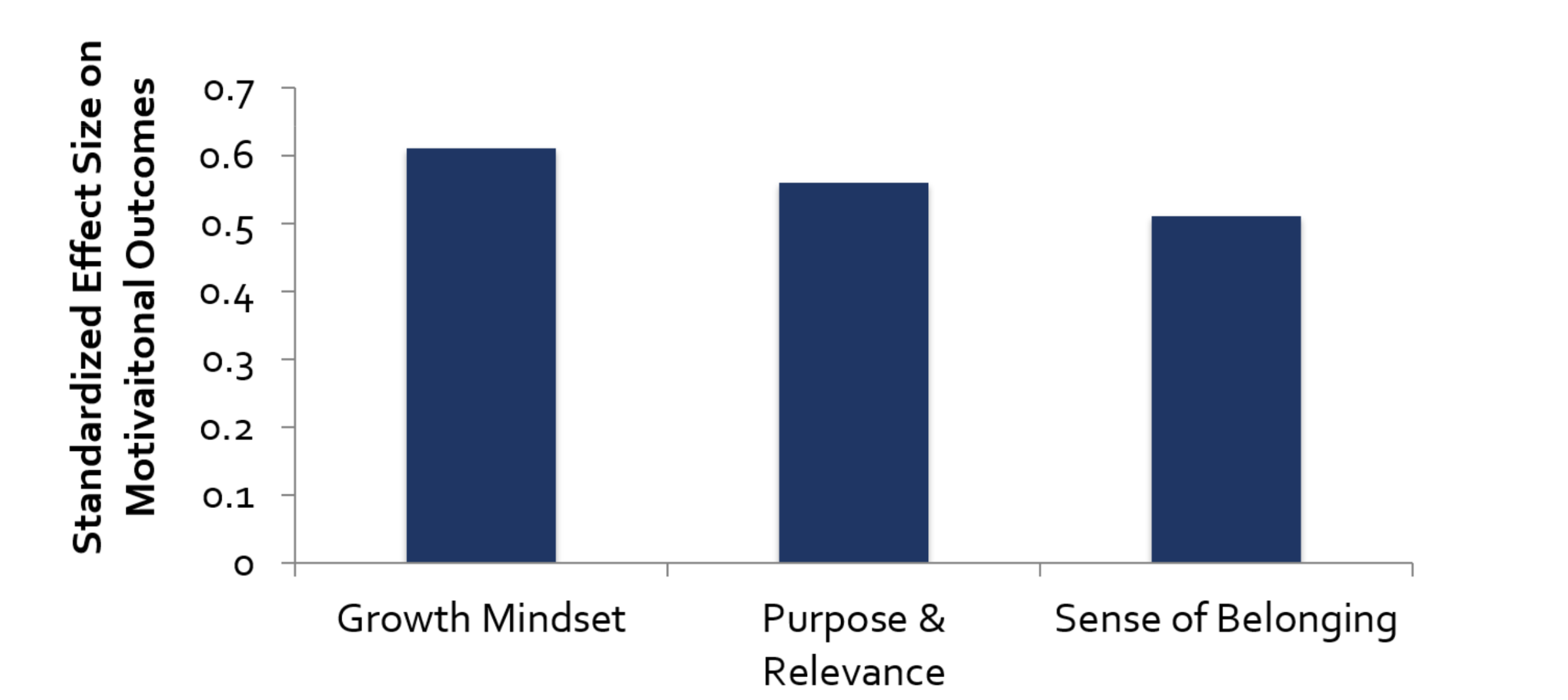
Figure 6: GPS-supportive interventions consistently and meaningfully improved learning mindsets, motivation, and performance (Lazowski & Hulleman, 2016)
More Effective
As noted in some of the interventions listed above, leveraging the tenets of GPS can be more effective for students from historically underserved backgrounds. We see this not only across academic outcomes, but also as it pertains to well-being outcomes.
In terms of academic achievement, the utility-value intervention – which promotes purpose and relevance for learning by helping students connect what they are learning to their lives – has been found to be particularly effective in boosting motivation and academic outcomes for historically marginalized and underserved students. For example, one study in undergraduate science courses reveals that the intervention was, on average, effective for all students, but it was most effective for boosting grades of students who identified as both first-generation in college and Black/LatinX/Indigenous.8
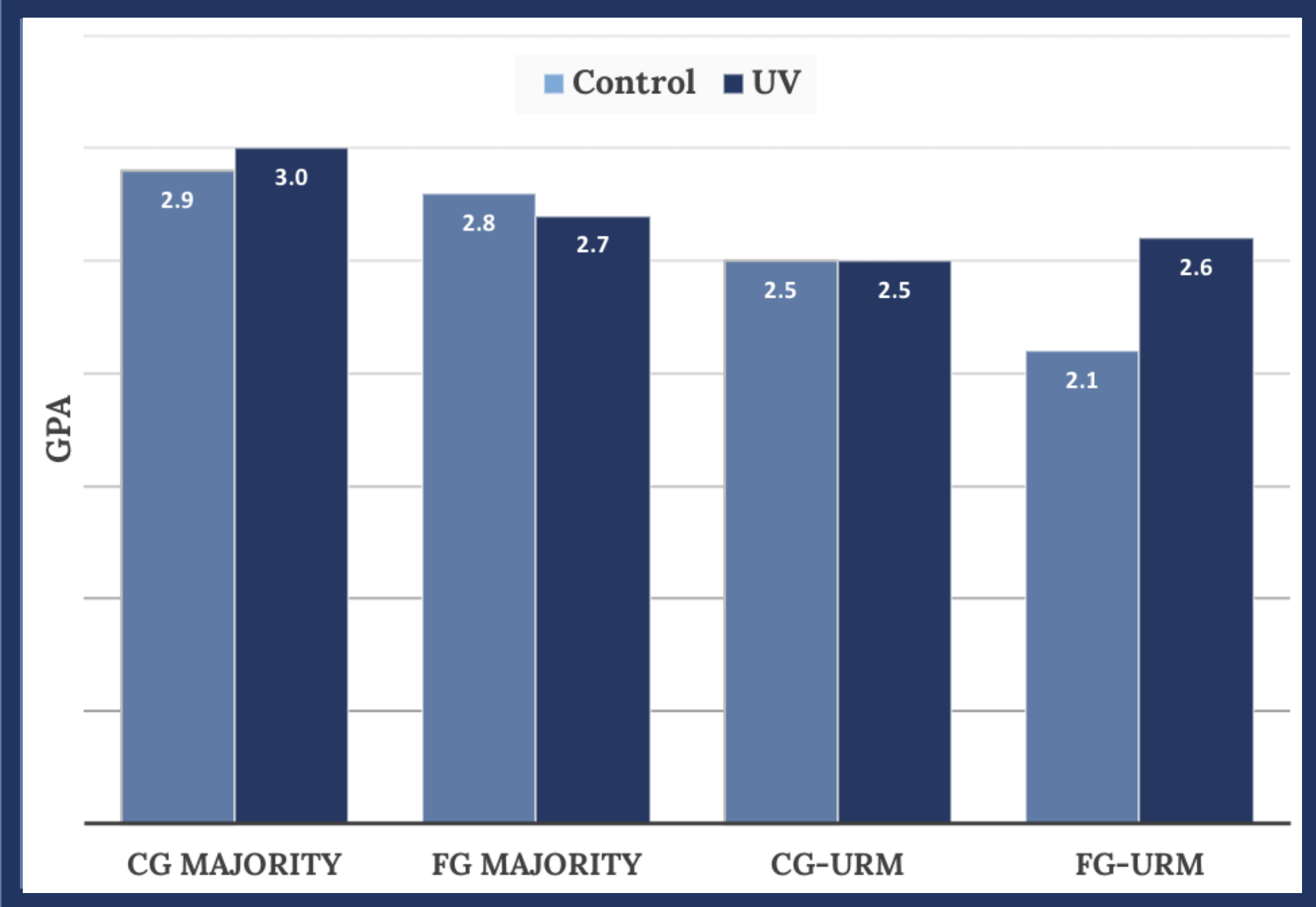
Figure 8: Utility-value intervention reduces opportunity gap for underprepared students; *CG = continuing generation; FG = first generation; URM = underrepresented minority (non-white; non-Asian) (Harackiewicz et al., 2016)
A second set of studies in community college introductory mathematics in Florida and Tennessee revealed that the utility-value intervention reduced course withdrawal rates, grades, and pass rates for all students, with effects particularly strong for first-generation college students.9 An intervention designed to reduce uncertainties about belonging during the transition from middle school to high school reduced disciplinary infractions and course failure rates during the first year of high school, with effects particularly strong for Black and Latine students.10
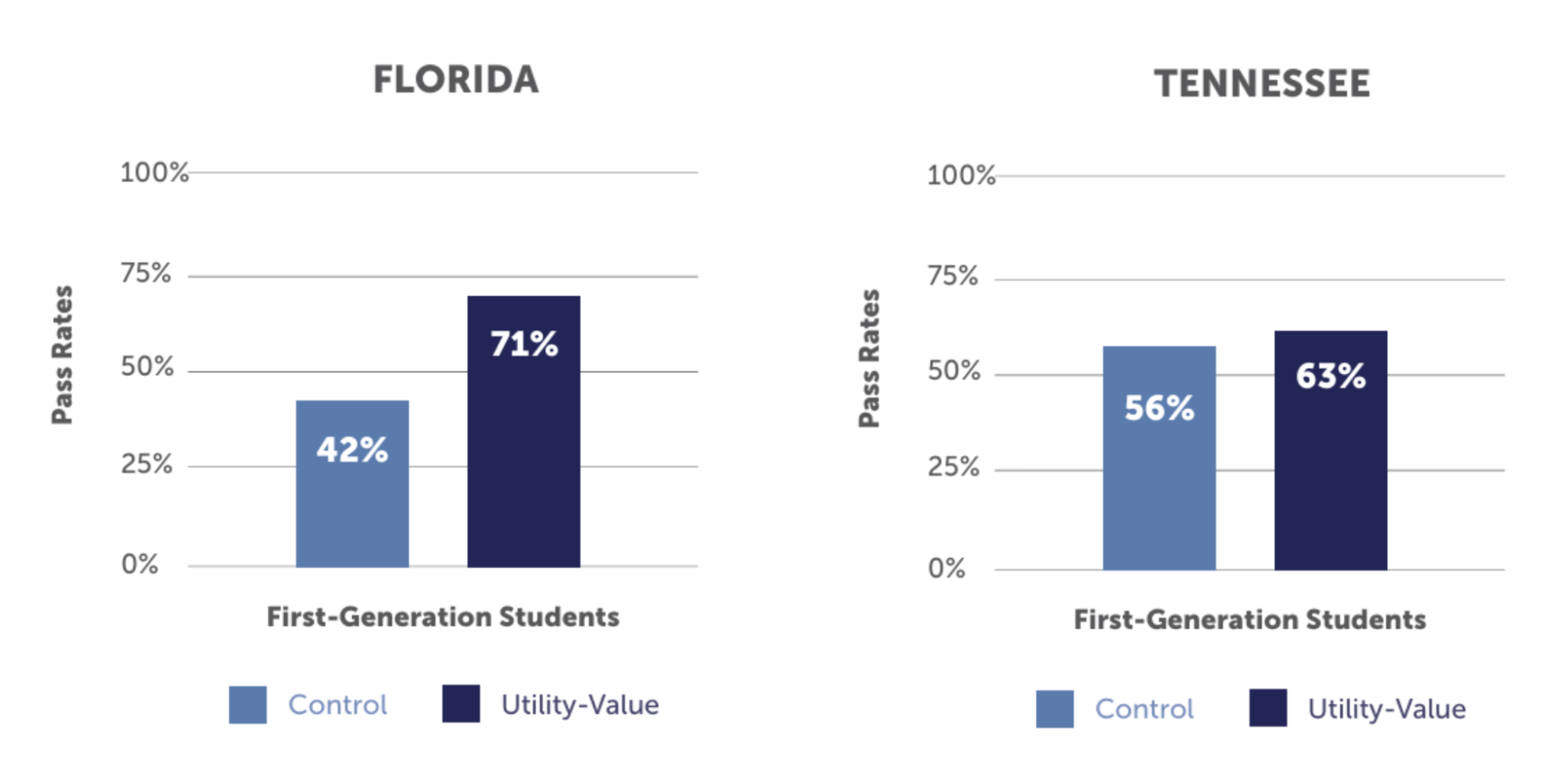
Figure 9: The effects of utility-value intervention on pass rates by student generation (Hulleman et al., 2022)
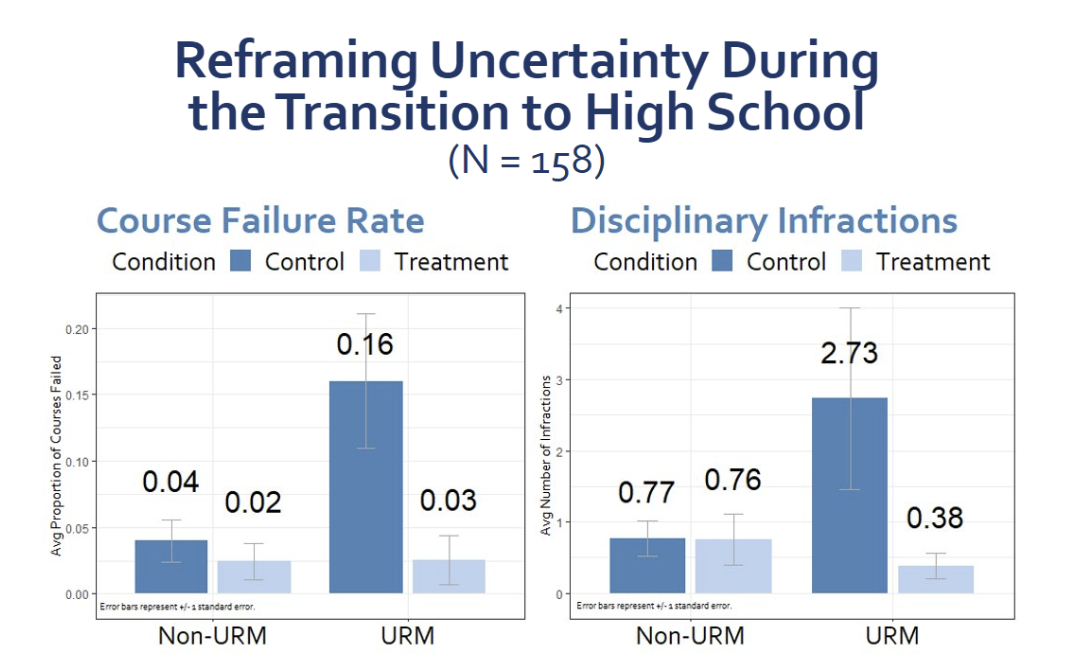
Figure 10: Reframing uncertainty during the transition to high school; N = 158 (Williams et al., 2020)
In terms of well-being, we have found that growth mindset is significantly related to flourishing among all students, and it is especially powerful among Black, Latine, and Indigenous students in terms of its relationship to flourishing.11
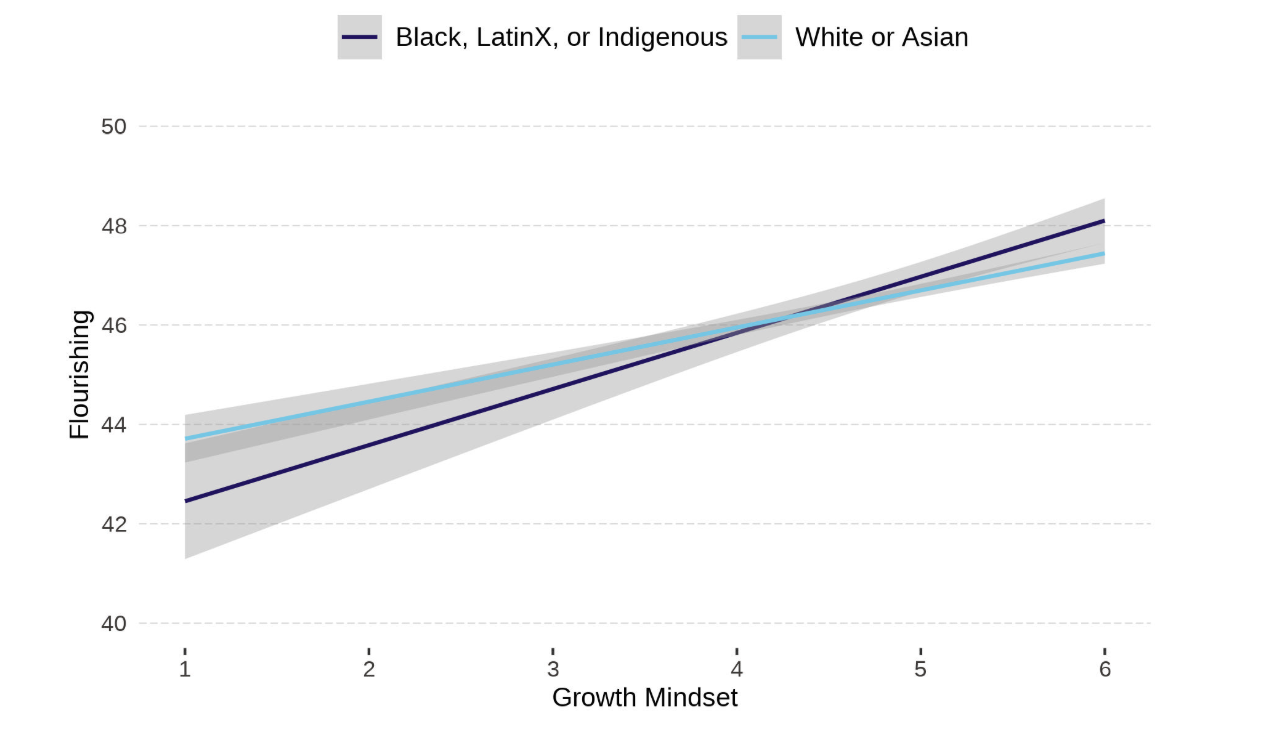
Figure 11: Growth mindset is especially powerful among Black, Latine, and Indigenous students in terms of its relationship to flourishing (Tibbetts et al., 2024)
Multilevel
Although our research, and that of others, reveals that we meaningfully impact student outcomes through learning mindset interventions and other supports, simply providing targeted support to students does not create system change. Instead, it is only by integrating learning mindset supports at all levels of a system – including the policies, programs, processes, practices, and people – that we can meaningfully and sustainably promote holistic student success for all students.12 In order to produce the best possible experiences and outcomes for students, the psychological air needs to help everyone in a system thrive. This means acknowledging and addressing the reality that the psychological air in one aspect of the system, say in an engineering classroom, may not be the same for every student.13 Just like someone with asthma may be more sensitive to pollution, individuals who enter educational environments with stigmatized identities (e.g., women in STEM) may experience different psychological air than those with non-stigmatized identities. This perspective is aligned with other researchers who study the social psychology of education and who use phrases such as threat in the air,14 psychological affordances,15 and psychological vulnerability.16
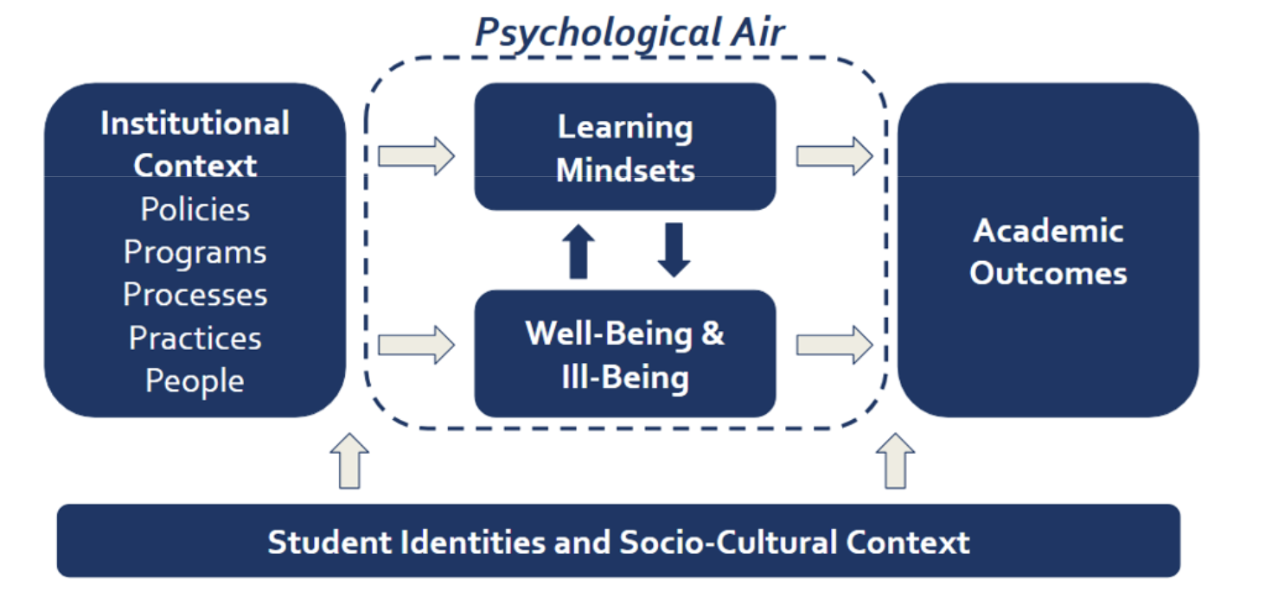
Figure 12: Integrating learning mindset supports at all levels of a system leads to shifts in the psychological air of that system (Hulleman et al., in press)
Acting systemically to shift entire systems is not easy and involves coordination across organizational structures that may or may not be accustomed to working in this way. As this is an emerging area of work for Motivate Lab, we can illustrate our approach with a few examples of organizations engaging in the process of system change.
One example of how we work systematically is through our Student Voices Initiative. This work brings together various stakeholders across a university to listen to student concerns about belonging, and collaboratively constructing plans to create healthier psychological air for students (Tibbetts et al., under review). Based on the concerns of their students, various institutions have implemented structural reform efforts after engaging with student focus group data. For example, one Hispanic-Serving Institution acquired funds to create a Latine student center after hearing from a lot of their students that they desired this sort of safe-space. Similarly, upon hearing from students that the lack of available advisors made them feel like their institution did not care (likely impacting their sense of belonging), one institution used this focus-group data to apply for funding that resulted in the acquisition of funds necessary to hire additional advisors. Both of these outcomes would not have been possible if it were not for multiple levels of the institution (e.g., students, staff, administrators) coming together to advance solutions.
A second example involves our work with organizations and advisors who support students during the transition from high school to the next stage in their educational and career journey. The psychological air of an organization’s motivational culture–that shapes students’ identities, voices, agency, and how they overcome challenges along their paths–can vary widely, making it essential for organizations to understand the messages and practices they promote to leverage strengths and identify opportunities for improvement. Our team developed a survey tool–The Learning Mindset Climate Survey–to provide a snapshot of how learning mindset-supportive practices play out in real educational settings. Its purpose is to not only help organizations gather input from multiple perspectives, including students, staff, and key program stakeholders, but to then move from good intentions to intentional practice. For example, Uncommon Schools–a nonprofit charter management organization that operates 52 schools serving over 20,000 students–used the survey to examine how well they were supporting students’ purpose in learning. They found that although students could connect their learning to future educational and career goals, students were less able to connect their school experiences to their present identities, communities, and lived experiences. As a result, Uncommon made significant changes to their curriculum and staff training to better integrate purpose into instructional structures and pedagogy. They also integrated course advising more intentionally into the high school scheduling process, ensuring that students’ academic choices more clearly align with their postsecondary plans.
Learn more about the Mindset GPS Framework
Citations
1 Tibbetts Y, DeCoster J, Francis MK, Williams, C. L., Totonchi, D. A., Lee, G. A., & Hulleman, C. S. Learning Mindsets Matter for Students in Corequisite Courses. Strong Start to Finish, Education Commission of the States; 2022.
2 Tibbetts, Y., Himmelberger, Z. M., Barron, K. E., Speicher, M. R., & Hulleman, C. S. (2024). Learning mindsets and well-being and ill-being among osteopathic medical students. JAMA Network Open, 7(6), e2418090.
3 Hulleman, C.S., Godes, O., Hendricks, B., & Harackiewicz, J. M. (2010). Enhancing interest and performance with a utility value intervention. Journal of Educational Psychology, 102(4), 880-895.
4 Hulleman, C.S., Tibbetts, Y., Francis, M., Lubin, A., Totonchi, D., & Barron, K. E. (2022). Finding relevance in college math: The impact of implementing classroom utility-value interventions on student learning outcomes in gateway and developmental math courses. Strong Start to Finish: Denver, CO.
5 Wormington, S. V., *Buttrick, N., Silverman, D., Kosovich, J. J., & Hulleman, C. S. (2019, April). Is effort enough or do I need strategies, too? Assessing when and why growth mindset interventions affect course grades and victim blaming. Paper to be presented at the AERA Annual Meeting, Toronto, Ontario.
6 Lazowski RA, Hulleman CS. Motivation interventions in education: a meta-analytic review. Rev Educ Res. 2016; 86(2):602-640. doi:10.3102/0034654315617832
7 Yeager, D. S., & Walton, G. M. (2011). Social-psychological interventions in education: They’re not magic. Review of Educational Research, 81(2), 267–301. https://doi.org/10.3102/0034654311405999
8 Harackiewicz, J. M., Canning, E. A., Tibbetts, Y., Priniski, S. J., & Hyde, J. S. (2016). Closing achievement gaps with a utility-value intervention: Disentangling race and social class. Journal of Personality and Social Psychology, 111(5), 745–765. https://doi.org/10.1037/pspp0000075
9 Hulleman, C.S., Tibbetts, Y., Francis, M., Lubin, A., Totonchi, D., & Barron, K. E. (2022). Finding relevance in college math: The impact of implementing classroom utility-value interventions on student learning outcomes in gateway and developmental math courses. Strong Start to Finish: Denver, CO.
10 Williams, C. L., Hirschi, Q., Sublett, K. V., Hulleman, C. S., & Wilson, T. D. (2020). A brief social belonging intervention improves academic outcomes for minoritized high school students. Motivation Science, 6(4), 423–437. https://doi.org/10.1037/mot0000175
11 Tibbetts, Y., Himmelberger, Z. M., Barron, K. E., Speicher, M. R., & Hulleman, C. S. (2024). Learning mindsets and well-being and ill-being among osteopathic medical students. JAMA Network Open, 7(6), e2418090.
12 Hulleman, C. S., Himmelberger, Z., Sutter, C. C., & Totonchi, D. A. (In press). From Policy to Practice: Centering Learning Mindsets and Well-Being for Holistic Student Success. In S. Mammadov (Ed.), The Cambridge Handbook of Student Well-Being.
13 Oyserman, Daphna. (2015). Pathways to Success Through Identity-Based Motivation. 10.1093/oso/9780195341461.001.0001.
14 Steele, C. M. (1997). A threat in the air: How stereotypes shape intellectual identity and performance. American Psychologist, 52(6), 613–629. https://doi.org/10.1037/0003-066X.52.6.613
15 Walton, G. M., & Yeager, D. S. (2020). Seed and soil: Psychological affordances in contexts help to explain where wise interventions succeed or fail. Current Directions in Psychological Science, 29(3), 219-226.
16 Murphy, M. C., Steele, C. M., & Gross, J. J. (2007). Signaling threat: How situational cues affect women in math, science, and engineering settings. Psychological Science, 18(10), 879-885.
17 Tibbetts, Y, Totonchi, D., Davis J., Rai P., Carpenter, R., Ybarra, D., Wagner, E., Hillyard, C., Blake, E., Stotter, J., Ortiz, A., & Hulleman, C.S. Elevating Student Voices to Instigate System Change: The Student Voices Initiative [manuscript under review]. Motivate Lab.